

A potential customer arrives on your website after searching for a service you provide. They read the opening paragraph, scroll through a few images and open your contact page. Then they leave without making an enquiry.
It is tempting to assume that you need better advertising, more keywords or another website redesign. But the problem may be simpler: the visitor could not find enough information to take the next step.
For small businesses, website performance often depends on what happens between the first click and the first conversation. That space is filled with questions. What exactly do you offer? Is it suitable for me? Can I trust you? What happens if I get in touch?
Before investing in more traffic, examine how clearly your website answers them.
Does the visitor know they are in the right place?
Business owners understand their services so well that they sometimes forget how unfamiliar those services are to a new customer.
A headline such as “Delivering Excellence Through Innovation” may sound polished, but it gives visitors little practical information. A more useful opening explains what the business does, who it helps and where it operates.
Consider a commercial cleaning company. “Commercial Cleaning for Offices and Retail Spaces in Bristol” gives a prospective customer an immediate point of reference. Supporting text can then explain the available cleaning schedules and how to request a quotation.
This clarity should continue beyond the homepage. Someone arriving directly on a service page should understand the offer without having to explore the rest of the website.
Review each important landing page and ask whether its opening answers three questions:
- What service or product is available?
- Who is it intended for?
- What makes it relevant to this visitor’s needs?
If those answers are buried halfway down the page, bring them forward.
Are you helping people judge suitability?
An inquiry takes effort. Before contacting a business, customers often want to know whether the conversation will be worthwhile.
A website that describes every service as “bespoke” or “tailored” can leave too much unexplained. Although the final solution may depend on individual requirements, visitors still need a starting point.
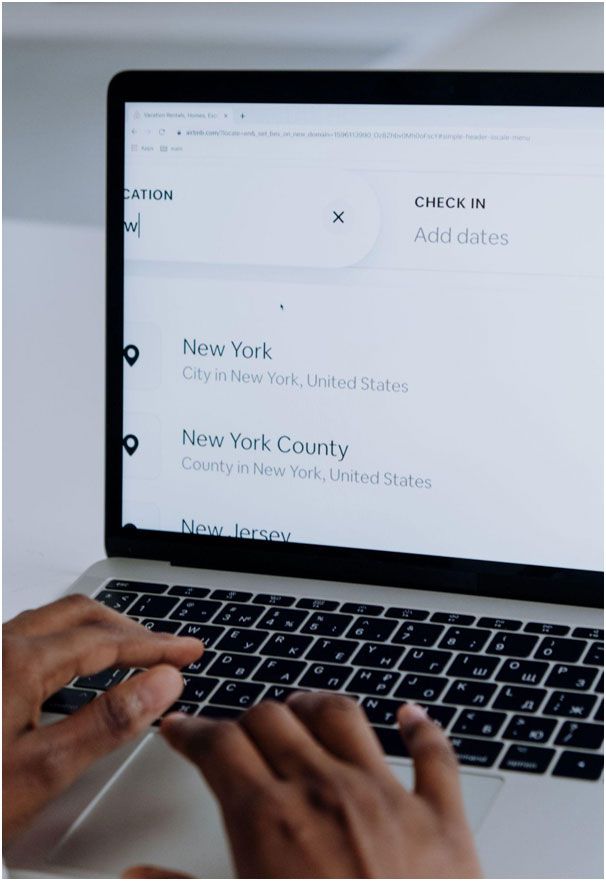
A website development company, for example, could explain whether it works on new websites, existing website improvements, online shops or ongoing maintenance. A venue could state its capacity, available facilities and the types of events it accommodates.
Pricing information can also help customers assess suitability. Where fixed prices are impractical, explain what influences the quotation. Project scope, required functionality, delivery times and ongoing support may all affect the cost.
The aim is to give people enough information to recognise a possible fit and ask a more informed question.
Does the evidence match the promise?
Most business websites make similar claims: experienced staff, quality service and a commitment to customers. These statements become more useful when supported by specific evidence.
A case study can describe the customer’s original problem, the work completed and the outcome. A project gallery can show relevant examples rather than a collection of attractive but unexplained images. A testimonial can identify the service received and the aspect of the experience the customer valued.
Keep this evidence close to the claim it supports. If a page promotes ecommerce website development, examples of ecommerce projects belong on that page. Visitors should not need to search a separate gallery to check whether the business has relevant experience.
For newer businesses with limited case studies, explain the working process clearly. Introduce the people responsible for delivery, show examples you have permission to share and describe how customers receive updates.
Use evidence that is accurate, relevant and easy to understand. Avoid presenting hypothetical results as completed client work.
Do search, advertising and website content tell the same story?
Marketing channels are often managed separately. Advertising focuses on generating clicks, search content focuses on attracting visitors, and website design focuses on presentation.
The customer experiences all of these as one journey.
Imagine an advertisement promoting an urgent repair service. If the landing page discusses general maintenance but says nothing about availability, response times or service areas, visitors must work out whether the original offer still applies.
The same issue can occur with organic search. A page may attract people researching a particular service while providing only a broad company introduction.
Businesses looking for support across these connected areas can explore Double Spark Internet Marketing, which include SEO, PPC, website design and development, helping businesses create a more consistent journey from the first search to the final enquiry.
